
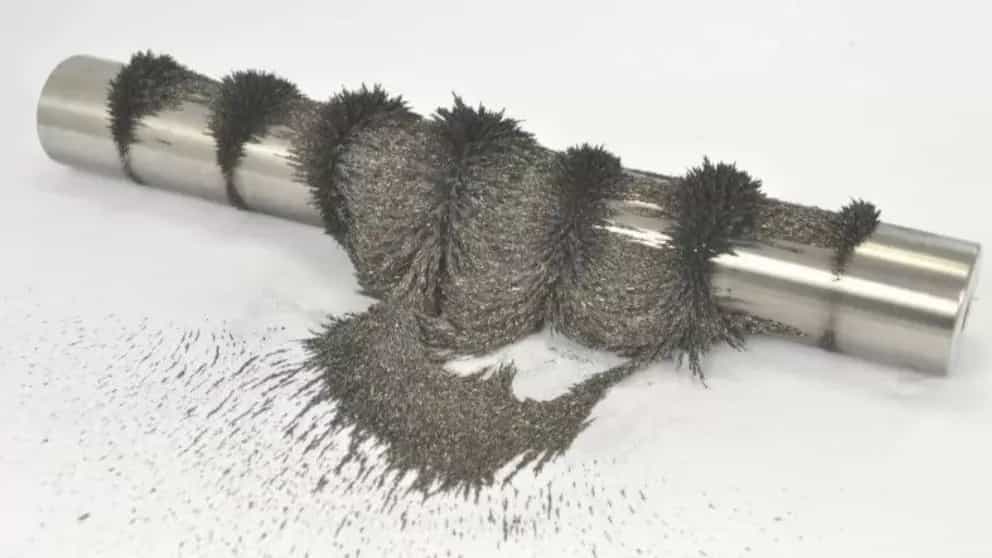
Magnet bar is a magnetic filter that is used in various industries. These rods generate strong magnetic field strength and separate iron-containing impurities and magnetic materials from non-metallic materials. The main parameters of the magnet rod include diameter and length of the rod, maximum operating temperature, working condition, maximum amount of surface roughness, polarity and characteristics of both ends of the magnet rod. These rods are used in food, pharmaceutical, mining, recycling, chemical, water treatment, textile and other industries.
One of the strongest models of magnetic separators; Contrary to popular belief, bar magnets are bar magnets; They are not raw magnets, but they are created from the juxtaposition of raw magnets and iron parts based on various and numerous standards. The result of this interaction of magnetic materials is the creation of an extremely strong magnetic circuit that suits the needs and requests of customers with The best quality is designed and produced. In order to protect and keep this system fixed, a thin coating made of stainless steel 304 is used. In addition, due to the metallurgical nature of this coating, the advantage of using it in wet environments, materials It has food, health applications, different types of fluids (apart from acidic, alkaline solutions and sodium chloride compounds) etc. Creating a stronger magnetic field, this system is very popular. Each magnetic bar has an effect on the adjacent magnet bar, in the case of a proper arrangement of the eruption, magnetism exits from one bar and enters the adjacent bar, due to which the magnetic flux density between the bar magnets is strengthened and creates a trap and a magnetic trap. It interferes with ferrous materials.
Graining and material size, humidity, stickiness, iron impurity volume, etc. are very important factors in the design of these networks.
1- High power neodymium networks (Nd 6000-11800 Gs): Since neodymium magnet has a much higher field intensity, networks made with this magnet have a higher reliability and efficiency. And the work output is very satisfactory. But due to the type of magnet used, they have a higher cost than ferrite networks, although this cost is insignificant compared to the benefits and quality of this product, and it will be used in a short period of time. 2- Networks made with ceramic magnets (Fe 3000 GS): Acceptable and suitable attraction power, high temperature tolerance and economic and affordable price are the advantages of these networks. It should be noted that the difference in this group is only in the intensity of the magnetic field and it is completely similar to the above group in terms of appearance.